
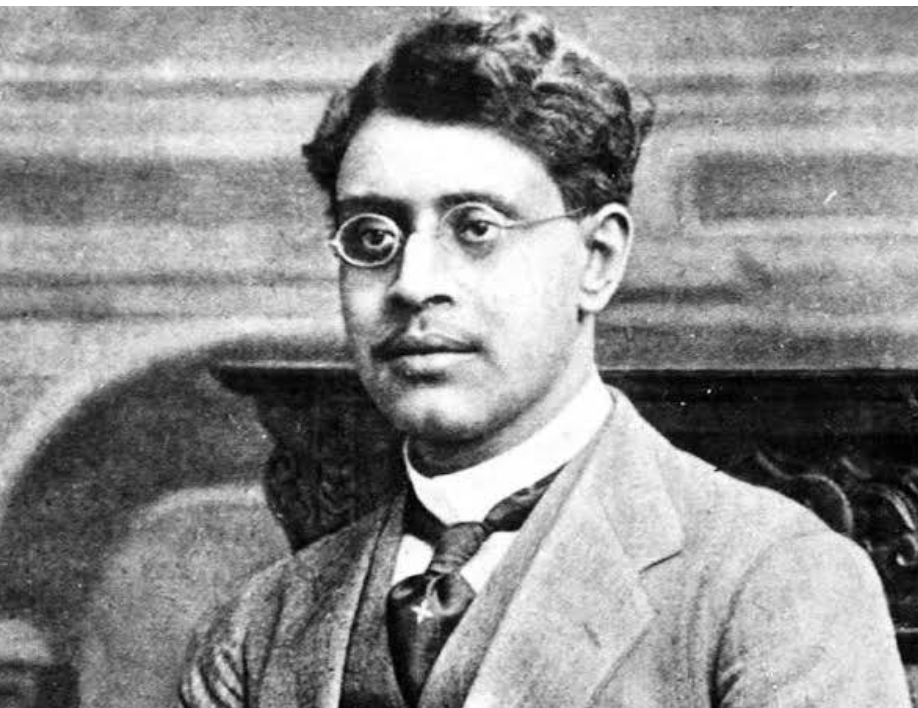
সুকুমার রায়ের ছড়াগুলোর অডিও অ্যাক্সেস বা শোনার সুযোগ তৈরি একটি উদ্যোগ। সুকুমার রায় (চলচ্চিত্রকার সত্যজিৎ রায়ের পিতা) বাংলা সাহিত্যে ‘ননসেন্স রাইম’ বা খেয়ালরসের অবিসংবাদিত রাজা। তাঁর সৃষ্টিকে লুইস ক্যারলের ‘অ্যালিস ইন ওয়ান্ডারল্যান্ড’-এর সাথে তুলনা করা যায়।
দৃষ্টিপ্রতিবন্ধী শিশু, বিশেষ চাহিদা সম্পন্ন শিক্ষার্থী (যেমন ডাউন সিনড্রোম) এবং যারা বাংলা শিখছে—তাদের জন্য অডিও সংস্করণ অত্যন্ত গুরুত্বপূর্ণ। কারণ, এই ছড়াগুলোর আসল মজা লুকিয়ে আছে এর ছন্দ, শব্দ নিয়ে খেলা এবং অদ্ভুত সব আওয়াজের মধ্যে।
🎙️ “আবোল তাবোলের প্রতিধ্বনি”
সুকুমার রায়ের জগতকে অডিওর মাধ্যমে জীবন্ত করে তোলার জন্য কিছু বিশেষ দিক নিচে দেওয়া হলো:
১. শব্দের কারুকার্য (Audio Design)
সুকুমার রায়ের কিম্ভূতকিমাকার প্রাণীদের শুধু পড়ে শোনালে হবে না, প্রয়োজন ব্যাকগ্রাউন্ড সাউন্ড:
- ‘খিচুড়ি’: হাঁসজারু বা বকচ্ছপের বর্ণনায় হাঁস এবং কুকুরের ডাকের একটি মিশ্রিত শব্দ (Layered sound) ব্যবহার করা যেতে পারে।
- ‘কাঠ-বুড়ো’: তিনি যখন কথা বলবেন, পেছনে কাঠের ওপর টক টক শব্দ বা শুকনো পাতা মচমচ করার শব্দ থাকবে।
- ‘কুমড়ো-পটাশ’: এই চরিত্রের জন্য প্রতিবার নামের সাথে একটি ভারী “বোঁ” বা ড্রামের শব্দ ব্যবহার করা যেতে পারে।
২. সহজলভ্যতা ও বিশেষ সুবিধা (Accessibility Features)
ডাউন সিনড্রোম বা শিখন ঘাটতি আছে এমন শিশুদের জন্য অডিও প্লেয়ারে যা থাকা উচিত:
- পাসিং কন্ট্রোল (Pacing): ছড়াটি ধীর গতিতে (০.৭৫ গুণ স্পিড) শোনার ব্যবস্থা, যাতে তারা প্রতিটি শব্দের উচ্চারণ পরিষ্কার বুঝতে পারে।
- স্পর্শকাতর সংকেত (Tactile Cues): যদি অ্যাপের মাধ্যমে শোনা হয়, তবে ছড়ার ছন্দের সাথে ফোনটি মৃদুভাবে ভাইব্রেট করতে পারে।
- দ্বিভাষিক সুবিধা: প্রথমে মূল বাংলা ছড়া এবং পরে তার একটি সহজ ইংরেজি অনুবাদ শোনানো।
🏫 ক্লাসরুমে এর প্রয়োগ (মিডল স্কুল শিক্ষার্থীদের জন্য)
- প্রতিধ্বনি পাঠ (Echo-Reading): অডিওতে একটি লাইন বাজবে (যেমন: “হুকোমুখো হ্যাংলা…”), আর শিক্ষার্থীরা সেটি পুনরাবৃত্তি করবে। এটি বাক-শৈলী ও উচ্চারণের জন্য দারুণ।
- সাউন্ড ম্যাপিং: শিক্ষার্থীদের কিছু কার্ড দেওয়া হবে। যখনই তারা একটি বিশেষ শব্দ (যেমন ঘণ্টার শব্দ বা জলের ঝাপটা) শুনবে, তারা সেই চরিত্রের কার্ডটি উঁচিয়ে ধরবে।
- ছন্দের ঢোল: সুকুমার রায়ের ছড়াগুলোর একটি নির্দিষ্ট তালি বা ছন্দ আছে। অডিওর সাথে সাথে শিক্ষার্থীরা ডেস্কে আঙুল ঠুকে সেই ছন্দ মেলাবে।
This is a wonderful initiative. Sukumar Ray (father of filmmaker Satyajit Ray) is the undisputed king of “Nonsense Rhyme” (Abol Tabol) in Bengali literature. His work is the Bengali equivalent of Lewis Carroll’s Alice in Wonderland or Edward Lear’s limericks.
Providing audio access to his work is especially important for children, visually impaired listeners, and students with learning differences (like Down Syndrome), as the humor lies in the rhythm, tongue-twisters, and wacky sounds.
- The “Khichuri” (The Hybrid Creature): For the Duck-Pig or Whale-Elephant, use layered animal sounds (a quack mixed with a grunt).
- The “Kath-Buro” (The Wood-Old Man): Use the sound of rhythmic wood-tapping and dry leaves crunching as he speaks.
- The “Kumro-Potash”: For this character, use a heavy “boing” or a thudding percussion beat every time he is mentioned.
(Imagine a whimsical, slightly out-of-tune flute playing in the background)
Narrator: “Welcome to the world of the impossible! You are about to enter the mind of Sukumar Ray. In this world, chairs have legs that run away, and cows fly through the sky. Don’t try to find the meaning—just find the music!”
[Sound of a loud, funny sneeze]
Narrator: “That was the ‘Gof-Churi’ (The Stolen Mustache) officer! Let’s listen to why he thinks his mustache has been stolen…”
🏫 Educational Application (For Middle Schoolers)
Using audio access to Sukumar Ray in a classroom setting:
- Echo-Reading: The audio plays a line (e.g., “Huko-muko-hyangla…”), and students repeat it. This is excellent for speech therapy and phonics.
- Sound Mapping: Give students with Down Syndrome a set of “Character Cards.” As they hear a specific sound effect (like a bell or a splash), they hold up the card of the creature they think is making that noise.
- The “Nonsense Drum”: Students tap on their desks to match the very specific “Galloping Rhythm” that Sukumar Ray used in poems like “Khuri-r-Chora.”
🌟 Why this matters in 2026
In a digital-first world, Sukumar Ray’s rhymes risk being lost if they stay only on paper. Audio access turns a “reading task” into a sensory experience. It allows the humor—which is universal—to bypass language barriers and cognitive challenges.