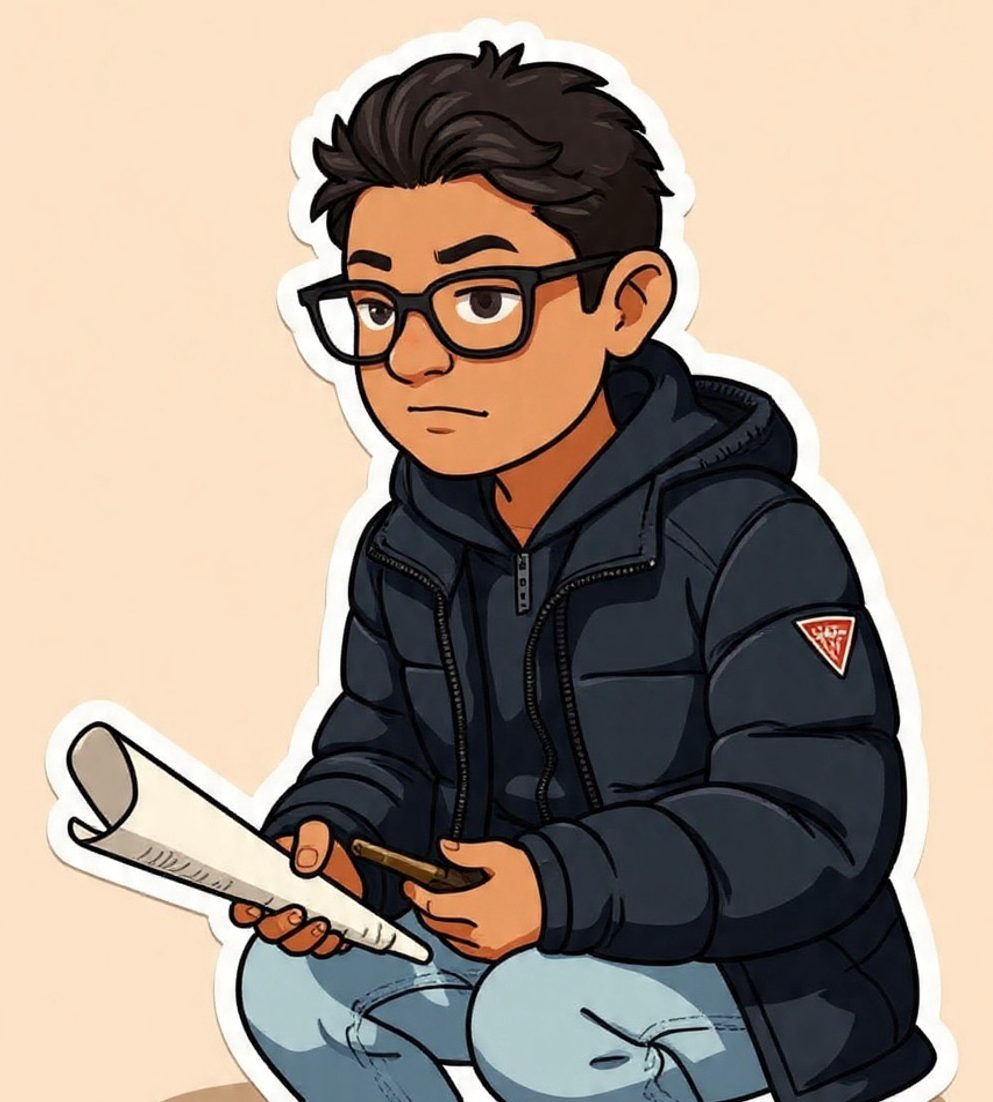
Hosts: Maya & Ben
(Intro Music: Upbeat, warm, and inviting – fades after 10 seconds)
Maya: Welcome back to “The Sonic Scroll,” where we explore the fascinating world of audio storytelling and knowledge. I’m Maya.
Ben: And I’m Ben. Today, we’re diving into a crucial topic that often gets overlooked in our visually-dominated world: the indispensable role of audiobooks and podcasts for the visually impaired community.
Maya: It’s easy for many of us to take for granted the simple act of picking up a book, browsing a library, or even just scrolling through an e-reader. But for millions around the globe, that access is simply not there, or at least, not in the way we experience it.
Ben: Exactly. And that’s where audio steps in, not just as an alternative, but as the primary gateway to literature, learning, and independent access to information. For visually impaired individuals, audiobooks and podcasts aren’t just a convenience; they are often the only way to “read” a book or engage with a vast range of content.
Maya: Think about it. Without sight, the tactile experience of Braille is incredibly valuable, but not all books are available in Braille, and it can be a slow, specialized process. Digital text-to-speech readers are another tool, but they can lack the nuance, emotion, and natural flow of a human voice, especially when it comes to complex literature like poetry or intricate non-fiction.
Ben: This is where the magic of human-narrated audiobooks truly shines. A skilled narrator doesn’t just read words; they interpret, they emote, they bring characters to life, and they make the prose accessible and engaging in a way that synthesized speech often struggles to.
Maya: Beyond entertainment, consider the educational implications. For students who are visually impaired, imagine trying to keep up with coursework, access textbooks, or conduct research without the ability to easily read. Audio provides that vital link.
Ben: And that brings us to an incredible initiative we want to highlight today: Mohikontok. Mohikontok is an organization that’s stepping up to fill this critical gap, specifically by producing audio content for educational purposes.
Maya: They understand that learning shouldn’t be limited by one’s vision. By converting textbooks, academic papers, and various educational materials into high-quality audio formats, Mohikontok is empowering visually impaired students and learners to pursue their studies with greater independence and equity.
Ben: Their work is a fantastic example of how audio is not just about passive listening, but about active learning and true inclusion. Imagine studying complex scientific concepts or historical narratives, all brought to life through clear, engaging narration.
Maya: It levels the playing field. When you can access the same information as your sighted peers, your potential for academic achievement and personal growth becomes limitless. Mohikontok isn’t just creating audio; they’re creating opportunities.
Ben: And it’s not just formal education. Podcasts, too, offer an unparalleled window to the world. From news and current events to specialized interests, hobbies, and personal development, podcasts provide a rich tapestry of information and entertainment, all delivered through the power of sound.
Maya: For a visually impaired individual, a podcast can be their newspaper, their magazine, their travelogue, their lecture hall, and their community all rolled into one. It fosters connection and combats isolation by providing a shared listening experience.
Ben: So, as we wrap up today’s episode, let’s take a moment to truly appreciate the incredible power of audio. It’s more than just a convenient way to consume content; it’s a fundamental tool for accessibility, inclusion, and empowerment.
Maya: Organizations like Mohikontok are leading the way, reminding us that with a little intention and innovation, we can unlock worlds for everyone, regardless of their visual abilities.
Ben: Let’s support these efforts and champion the continued growth of accessible audio content. Because everyone deserves to experience the richness of books and knowledge.
Maya: Absolutely. Thank you for joining us on “The Sonic Scroll.” We’ll be back next time with more insights into the world of sound.
Ben: Until then, keep listening, keep learning.
Read in Bengali.
মায়া: “দ্য সোনিক স্ক্রল”-এ আপনাদের স্বাগতম। শব্দ এবং গল্পের এক অদ্ভুত জগত নিয়ে আমরা এখানে আলোচনা করি। আমি মায়া।
বেন: আর আমি বেন। আজ আমরা এমন একটি গুরুত্বপূর্ণ বিষয় নিয়ে কথা বলব যা এই দৃশ্যমান পৃথিবীতে প্রায়ই অবহেলিত থাকে: দৃষ্টিপ্রতিবন্ধী মানুষের জীবনে অডিওবুক এবং পডকাস্টের অপরিহার্য ভূমিকা।
মায়া: আমাদের অনেকের কাছেই একটি বই হাতে নেওয়া, লাইব্রেরিতে ঘুরে বেড়ানো বা ই-রিডারে স্ক্রল করা খুব সাধারণ ব্যাপার। কিন্তু সারা বিশ্বে কোটি কোটি মানুষের কাছে এই সুযোগটি নেই—অন্তত আমরা যেভাবে দেখি সেভাবে তো নয়ই।
বেন: ঠিক তাই। আর এখানেই ‘অডিও’ কেবল একটি বিকল্প হিসেবে নয়, বরং সাহিত্য, শিক্ষা এবং তথ্যের জগতে প্রবেশের প্রধান চাবিকাঠি হিসেবে কাজ করে। দৃষ্টিহীন ব্যক্তিদের জন্য অডিওবুক বা পডকাস্ট কেবল শখের বস্তু নয়; এটিই তাদের বই পড়ার বা বিভিন্ন বিষয়ের সাথে যুক্ত হওয়ার একমাত্র মাধ্যম।
মায়া: ভেবে দেখুন, দৃষ্টিশক্তি ছাড়া ব্রেইল পদ্ধতি অত্যন্ত মূল্যবান, কিন্তু সব বই ব্রেইলে পাওয়া যায় না। এছাড়া এটি একটি ধীরগতির এবং বিশেষায়িত প্রক্রিয়া। ডিজিটাল ‘টেক্সট-টু-স্পিচ’ প্রযুক্তি থাকলেও তাতে মানুষের কণ্ঠের মতো আবেগ বা সাবলীলতা থাকে না—বিশেষ করে কবিতা বা জটিল সাহিত্যের ক্ষেত্রে।
বেন: ঠিক এই জায়গাতেই মানুষের কণ্ঠে রেকর্ড করা অডিওবুকের জাদু কাজ করে। একজন দক্ষ কথক কেবল শব্দ পড়েন না; তিনি শব্দের ব্যাখ্যা দেন, আবেগ ঢেলে দেন এবং চরিত্রগুলোকে জীবন্ত করে তোলেন। এর ফলে জটিল গদ্যও সহজবোধ্য হয়ে ওঠে।
মায়া: শুধু বিনোদন নয়, শিক্ষার ক্ষেত্রে এর প্রভাব চিন্তা করুন। একজন দৃষ্টিহীন শিক্ষার্থী যদি সহজে বই পড়তে না পারে, তবে তার জন্য পড়ালেখা চালিয়ে যাওয়া বা গবেষণা করা কতটা কঠিন! অডিও সেই অভাব পূরণ করে।
বেন: আর এ কারণেই আজ আমরা একটি অসাধারণ উদ্যোগের কথা বলব: ‘মহিকণ্টক’ (Mohikontok)। মহিকণ্টক এমন একটি প্রতিষ্ঠান যারা এই শূন্যতা পূরণে এগিয়ে এসেছে, বিশেষ করে শিক্ষামূলক অডিও তৈরির মাধ্যমে।
মায়া: তারা বোঝেন যে শিক্ষা কোনো নির্দিষ্ট শারীরিক সক্ষমতার ওপর নির্ভরশীল হওয়া উচিত নয়। পাঠ্যপুস্তক, একাডেমিক গবেষণাপত্র এবং বিভিন্ন শিক্ষামূলক উপকরণ উচ্চমানের অডিওতে রূপান্তর করে ‘মহিকণ্টক’ দৃষ্টিহীন শিক্ষার্থী ও গবেষকদের স্বাবলম্বী করে তুলছে।
বেন: তাদের কাজ একটি বড় উদাহরণ যে অডিও কেবল শোনার জন্য নয়, বরং এটি শেখার এবং অন্তর্ভুক্তিমূলক সমাজ গড়ার হাতিয়ার। কল্পনা করুন, বিজ্ঞানের জটিল সূত্র বা ইতিহাসের গল্পগুলো প্রাণবন্ত কণ্ঠস্বরের মাধ্যমে আপনার সামনে মূর্ত হয়ে উঠছে।
মায়া: এটি সবার জন্য সমান সুযোগ তৈরি করে। যখন আপনি আপনার সহপাঠীদের মতো একই তথ্য অডিওর মাধ্যমে পেতে পারেন, তখন আপনার সাফল্যের পথে আর কোনো বাধা থাকে না। ‘মহিকণ্টক’ কেবল অডিও বানাচ্ছে না, তারা সম্ভাবনা তৈরি করছে।
বেন: এবং শুধু প্রথাগত শিক্ষা নয়, পডকাস্টও বিশ্বের জানালা খুলে দিচ্ছে। বর্তমান বিশ্ব পরিস্থিতি থেকে শুরু করে ব্যক্তিগত শখ—সবই এখন শব্দের মাধ্যমে হাতের নাগালে।
মায়া: একজন দৃষ্টিহীন মানুষের কাছে একটি পডকাস্ট তার খবরের কাগজ, ম্যাগাজিন এবং ক্লাসরুম—সবই একসাথে। এটি একাকীত্ব দূর করে এবং সমাজের সাথে একটি যোগসূত্র তৈরি করে।
বেন: আজকের এপিসোড শেষ করার আগে, চলুন আমরা অডিওর এই শক্তির প্রশংসা করি। এটি কেবল বিনোদন নয়; এটি ক্ষমতায়ন এবং অধিকারের ভাষা।
মায়া: ‘মহিকণ্টক’-এর মতো প্রতিষ্ঠানগুলো আমাদের দেখাচ্ছে যে সদিচ্ছা আর উদ্ভাবন থাকলে আমরা সবার জন্য পৃথিবীর জ্ঞানের দুয়ার খুলে দিতে পারি—তা কারো দৃষ্টিশক্তি থাকুক বা না থাকুক।
বেন: আসুন আমরা এই ধরনের উদ্যোগকে সমর্থন করি এবং সবার জন্য সহজলভ্য অডিও কন্টেন্ট তৈরির আহ্বান জানাই। কারণ বইয়ের ঐশ্বর্য আর জ্ঞান পাওয়ার অধিকার সবার।
মায়া: একদম ঠিক। “দ্য সোনিক স্ক্রল”-এ আমাদের সাথে থাকার জন্য ধন্যবাদ। শব্দের জগতের নতুন কোনো গল্প নিয়ে আমরা ফিরব আগামী পর্বে।
বেন: ততক্ষণ পর্যন্ত শুনতে থাকুন, শিখতে থাকুন।