
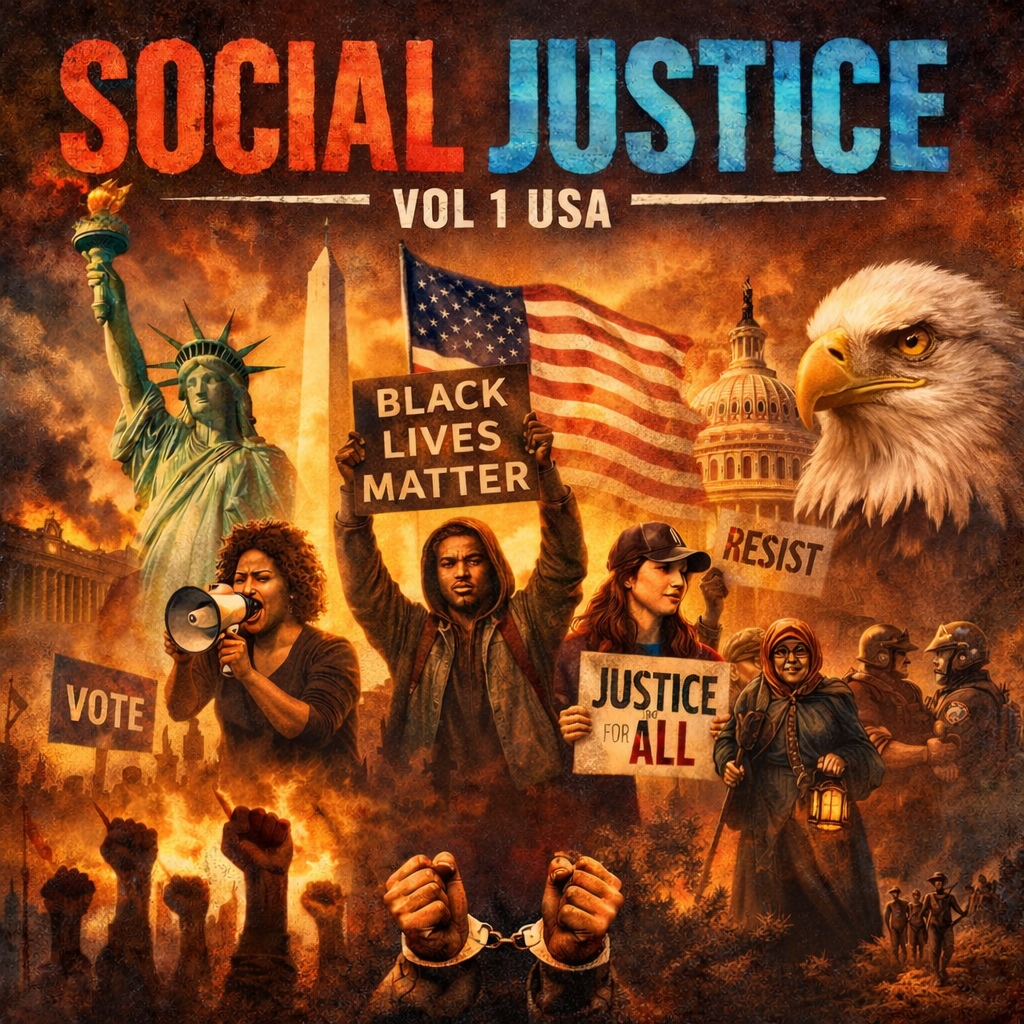
While the geography and methods differed, the DNA of these two struggles is strikingly similar: the use of a “defining trait” to justify systemic exclusion.
Here is a comparison of how color in America and language in Pakistan served as the primary tools of segregation.
1. The Tool of Segregation
- USA (Color): Skin pigment was used as a visual “badge” to deny access. The Jim Crow laws enforced a racial hierarchy, ensuring Black Americans remained in a separate, inferior tier of society, regardless of their skills or citizenship.
- Pakistan (Language): Linguistic identity served as the “social badge.” By declaring Urdu as the only state language, the West Pakistani elite effectively disenfranchised the Bengali-speaking majority. If your mother tongue wasn’t the “official” one, you were systematically locked out of the mainstream.
2. Denial of Mainstream Opportunities
| Feature | US Civil Rights (Race) | Bangladesh Struggle (Language) |
| Education | Segregated schools; Black institutions were chronically underfunded. | Urdu-medium schools were promoted; Bengali was discouraged in higher academia. |
| Economics | Redlining and job discrimination kept Black wealth suppressed. | Vast economic disparity; resources from the East were diverted to develop the West. |
| Politics | Voter suppression (literacy tests, poll taxes) to silence the Black voice. | Refusal to hand over power to the elected Bengali majority (1970 Election). |
| Public Image | Black culture was often caricatured or deemed “uncivilized.” | Bengali culture was mocked as “Hindu-influenced” or “inferior” to Urdu culture. |
3. The Breaking Point
- USA (Reformation): The struggle led to a Social Revolution. The Civil Rights Act of 1964 and Voting Rights Act of 1965 aimed to dismantle the legal walls of segregation, forcing the country to reform its soul while remaining one nation.
- Bangladesh (Birth): The struggle led to a National Revolution. Because the West Pakistani elite refused to reform or share power, the linguistic divide became a geographic and political one. The suppression of the language movement in 1952 sowed the seeds that blossomed into the War of Independence in 1971.
The Conclusion
In both histories, the “mainstream” was guarded by a gatekeeper who used an unchangeable part of a person’s identity—be it their skin or their mother tongue—as a reason for exclusion. America fought to redefine its “we,” while the people of East Pakistan were forced to create a new “we” entirely: Bangladesh.
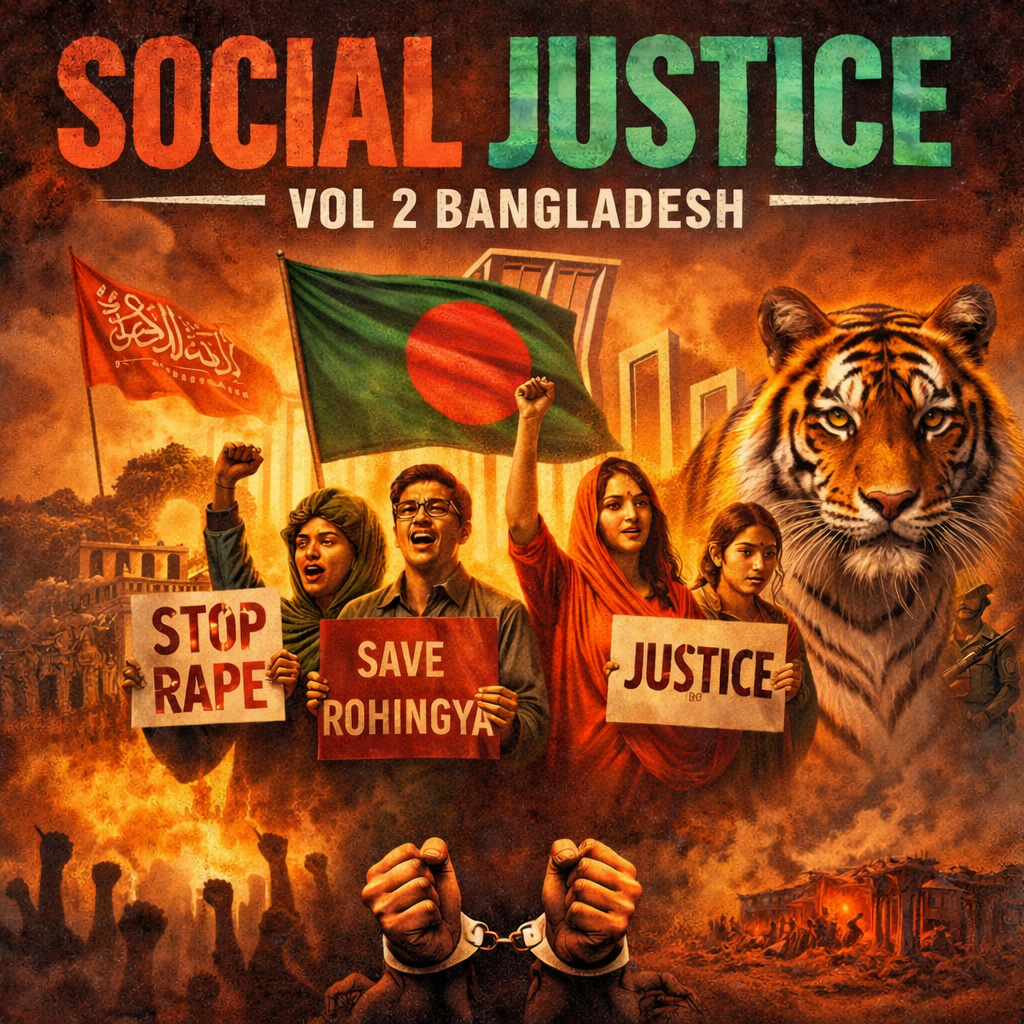
Read in Bangla:
আমেরিকার বর্ণবাদ এবং তৎকালীন পাকিস্তানের ভাষাগত বৈষম্যের ইতিহাস ভিন্ন হলেও, দুটি ক্ষেত্রেই একটি ‘নির্দিষ্ট বৈশিষ্ট্যকে’ পুঁজি করে একটি জনগোষ্ঠীকে মূলধারা থেকে বিমুখ রাখার প্রক্রিয়া ছিল অভিন্ন।
নিচে আমেরিকা এবং বাংলাদেশের (তৎকালীন পূর্ব পাকিস্তান) এই দুটি সংগ্রামের একটি তুলনামূলক চিত্র তুলে ধরা হলো:
১. বৈষম্যের হাতিয়ার
- আমেরিকা (গাত্রবর্ণ): গায়ের রঙকে এখানে সুযোগ-সুবিধা থেকে বঞ্চিত করার ‘চিহ্ন’ হিসেবে ব্যবহার করা হতো। ‘জিম ক্রো’ আইনের মাধ্যমে কৃষ্ণাঙ্গদের মূল সমাজ থেকে আলাদা রাখা হয়েছিল। দক্ষতা বা যোগ্যতা থাকা সত্ত্বেও শুধু চামড়ার রঙের কারণে তাদের নিকৃষ্ট স্তরের নাগরিক হিসেবে দেখা হতো।
- পাকিস্তান (ভাষা): এখানে ‘ভাষাগত পরিচয়কে’ দমনের অস্ত্র হিসেবে ব্যবহার করা হয়েছিল। পশ্চিম পাকিস্তানি শাসকরা উর্দুকে একমাত্র রাষ্ট্রভাষা করার মাধ্যমে সংখ্যাগুরু বাংলাভাষী মানুষকে রাষ্ট্রীয় সুযোগ-সুবিধা থেকে বঞ্চিত করার নীল নকশা তৈরি করে। যার মাতৃভাষা উর্দু নয়, সে যেন রাষ্ট্রের মূলধারায় প্রবেশ করতে না পারে—এটাই ছিল লক্ষ্য।
২. মূলধারার সুযোগ থেকে বঞ্চিত করার চিত্র
| বৈশিষ্ট্য | মার্কিন নাগরিক অধিকার আন্দোলন (বর্ণবাদ) | বাংলাদেশের সংগ্রাম (ভাষাগত বৈষম্য) |
| শিক্ষা | কৃষ্ণাঙ্গদের জন্য আলাদা স্কুল; যেখানে সুযোগ-সুবিধা ছিল অত্যন্ত নগণ্য। | উর্দু মাধ্যমকে প্রাধান্য দেওয়া; উচ্চশিক্ষায় বাংলাকে নিরুৎসাহিত করা। |
| অর্থনীতি | কর্মক্ষেত্রে বৈষম্য এবং সম্পদ অর্জনে কৃষ্ণাঙ্গদের ওপর কঠোর সীমাবদ্ধতা। | অর্থনৈতিক চরম বৈষম্য; পূর্বের সম্পদ লুণ্ঠন করে পশ্চিমের উন্নয়ন। |
| রাজনীতি | ভোটদানে বাধা দিয়ে কৃষ্ণাঙ্গদের রাজনৈতিক কণ্ঠস্বর স্তব্ধ করার চেষ্টা। | ১৯৭০-এর নির্বাচনে জয়ী হওয়ার পরও বাঙালিদের হাতে ক্ষমতা হস্তান্তরে অস্বীকৃতি। |
| সাংস্কৃতিক মর্যাদা | কৃষ্ণাঙ্গদের সংস্কৃতিকে ‘অসভ্য’ হিসেবে উপস্থাপন করা হতো। | বাঙালি সংস্কৃতিকে ‘হিন্দুয়ানি’ বা ‘উর্দুর চেয়ে নিম্নমানের’ বলে প্রচার করা। |
৩. চূড়ান্ত ফলাফল
- আমেরিকা (সংস্কার): এই সংগ্রামের ফলে একটি সামাজিক বিপ্লব ঘটে। ১৯৬৪ সালের নাগরিক অধিকার আইনের মাধ্যমে আইনিভাবে বর্ণবাদ বিলোপ করার চেষ্টা করা হয়। আমেরিকা এক রাষ্ট্র হিসেবে থেকেই তার আত্মাকে সংস্কার করার পথে হাঁটে।
- বাংলাদেশ (জন্ম): এই সংগ্রাম জন্ম দেয় একটি জাতীয় বিপ্লব-এর। পশ্চিম পাকিস্তানিরা যখন ক্ষমতা ভাগাভাগি বা সংস্কারে রাজি হলো না, তখন ভাষাগত বৈষম্যই রাজনৈতিক বিভাজনে রূপ নেয়। ১৯৫২-এর ভাষা আন্দোলনের যে বীজ বপন করা হয়েছিল, তা ১৯৭১-এর মহান মুক্তিযুদ্ধের মাধ্যমে স্বাধীন বাংলাদেশের জন্ম দেয়।
সারসংক্ষেপ
উভয় ইতিহাসে দেখা যায়, একটি প্রভাবশালী গোষ্ঠী মানুষের পরিচয়—তা সে গাত্রবর্ণ হোক বা মাতৃভাষা—সেটিকে ব্যবহার করে দেয়াল তুলে দিয়েছিল। আমেরিকা তার দেয়াল ভেঙে নিজেদের নতুন করে গড়ার চেষ্টা করেছে, আর পূর্ব পাকিস্তানের মানুষ সেই দেয়াল ভেঙে তৈরি করেছে এক নতুন দেশ: বাংলাদেশ।